
The True Cost Of Blast Injury Has Not Been Counted
Blastology Foundation helps GWOT Veterans affected by blast-related traumatic brain injury access advanced treatment, recovery support, and advocacy for injuries that were missed for too long.
The Official Record Does Not Tell The Whole Story
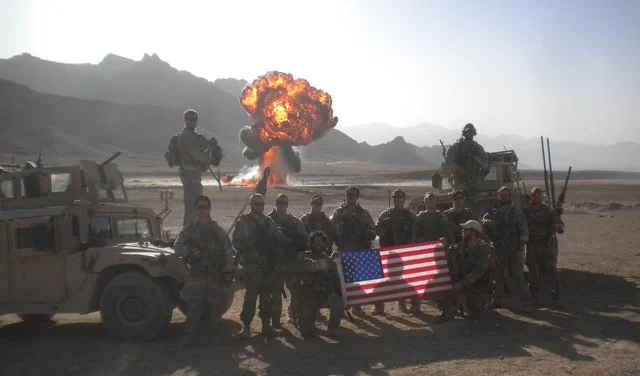
The Global War on Terror produced thousands of blast exposures from IEDs, rockets, mortars, breaching charges, and heavy weapons. Some injuries were visible and treated immediately. Others were harder to see, easier to dismiss, and often never connected back to the blast.
Official numbers only reflect what was documented, diagnosed, and accepted. They do not capture every Veteran who walked away from an explosion, returned to duty, and dealt with the effects later.
The Gap Between Injury And Recognition
-

Documented Military Brain Injuries
The Department of Defense has documented more than half a million traumatic brain injuries among U.S. service members since 2000.
-
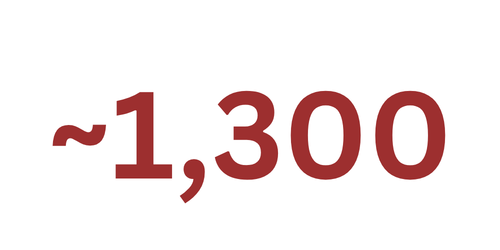
Purple Hearts Awarded for Blast INjuries
Only about 1,300 Purple Hearts have been awarded for blast-related brain injury.
-
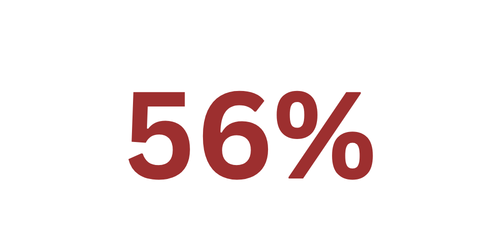
Higher Suicide Rate Among Veterans With TBI
Veterans living with traumatic brain injury face a significantly higher risk of suicide.
-

When Combat TBI Is Not Recognized
Research on post-9/11 Veterans links denied Purple Heart recognition for combat-related TBI with higher suicide risk.
What TBI Does Over Time
Blast-related TBI is physical damage to the brain caused by force. It can affect the systems a person relies on every day: memory, sleep, focus, reaction time, mood, impulse control, and decision-making.
When TBI is missed or left untreated, the symptoms can build over time. What looks like anger, depression, anxiety, substance abuse, family breakdown, job loss, or PTSD may be connected to an untreated brain injury.
Untreated TBI does not explain every Veteran suicide. But it is a serious risk factor that has been underrecognized for too long.
-
Memory & Focus
Problems remembering, concentrating, or processing information.
-
Sleep & Mood
Sleep disruption, depression, anxiety, or emotional instability.
-
Impulse Control
Rage, risky behavior, substance abuse, or poor decision-making.
-
Family & Work
Strain on marriage, parenting, employment, and daily life.
Why Recognition Matters
Recognition Affects What Happens Next
For many blast-injured Veterans, the brain injury was never clearly tied back to the blast. When the record is incomplete, the injury is easier to dismiss — and Veterans can spend years trying to explain symptoms that should have been connected to combat injury from the beginning.
Blastology Foundation helps Veterans pursue treatment, support, and advocacy for brain injuries that were missed, minimized, or left untreated.
A Purple Heart Changes The Record.
It does not fix the injury. But it confirms that the injury happened, that it happened in combat, and that it deserves to be taken seriously.
Help Veterans Get Access To Treatment
Support treatment access for Veterans living with blast-related brain injuries that were never fully recognized, documented, or treated.